MEDICAL BENEFITS
The Science Backed Facts
Efficiency of 30 Minutes
Scientific Fact:
Modern research has proven that intensity matters more than duration.
A single high-intensity session can equal hours of traditional moderate training.
Scientific Evidence:
A study published in the Journal of Applied Physiology showed that performing one single set of resistance training to muscular failure produces the same muscle-building results as 3–5 traditional sets, while requiring 70% less time.
Reference:
Fisher et al., Evidence-Based Resistance Training Recommendations.
-70%
Smarter use of time
Eccentric Overload
Scientific Fact:
Muscles are up to 40% stronger during the lowering phase (eccentric phase), yet traditional weights fail to utilize this strength.
Scientific Evidence
Research indicates that eccentric overload training — the technique used at FITAI — can lead to up to double the strength gains compared to traditional training. It also stimulates the growth of fast-twitch muscle fibers, responsible for a toned physique and explosive strength.
Reference:
Friedmann-Bette et al., Effects of Eccentric Overload Training.
Joint Safety & Isokinetic
Scientific Fact:
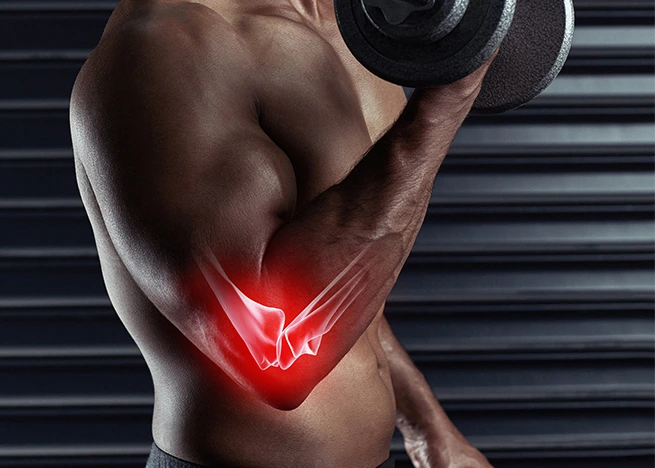
Most injuries occur due to inertia—the sudden rebound of weight. Our technology eliminates this risk entirely.
Scientific Evidence:
Isokinetic movement technology, used in our systems, is considered the global gold standard in medical rehabilitation. Studies show it delivers maximum muscle contraction with near-zero impact on joints and ligaments, making it exceptionally safe for older adults and individuals with previous injuries.
Source:
Journal of Orthopaedic & Sports Physical Therapy.
Sarcopenia Defense
Scientific Fact:
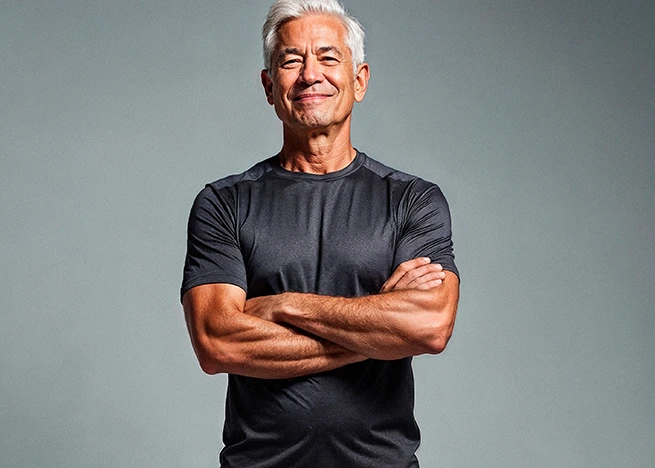
Muscle loss is the primary driver of biological aging.
Scientific Evidence:
After the age of 30, humans lose 3–8% of muscle mass per decade due to sarcopenia. High-intensity resistance training is the only scientifically proven non-pharmaceutical intervention capable of reversing this process, restoring bone density, and increasing basal metabolic rate.
Source:
American College of Sports Medicine (ACSM) Guidelines.
Diabetes & PCOS
Scientific Fact:
Muscles are the body’s primary glucose-burning engine.
Scientific Evidence:
A study published in Diabetes Care confirmed that resistance training increases insulin sensitivity by up to 46%, directly supporting the management of type 2 diabetes and improving metabolic symptoms associated with Polycystic Ovary Syndrome (PCOS) in women—more effectively than diet alone.
Source:
Journal of Orthopaedic & Sports Physical Therapy.
+46%